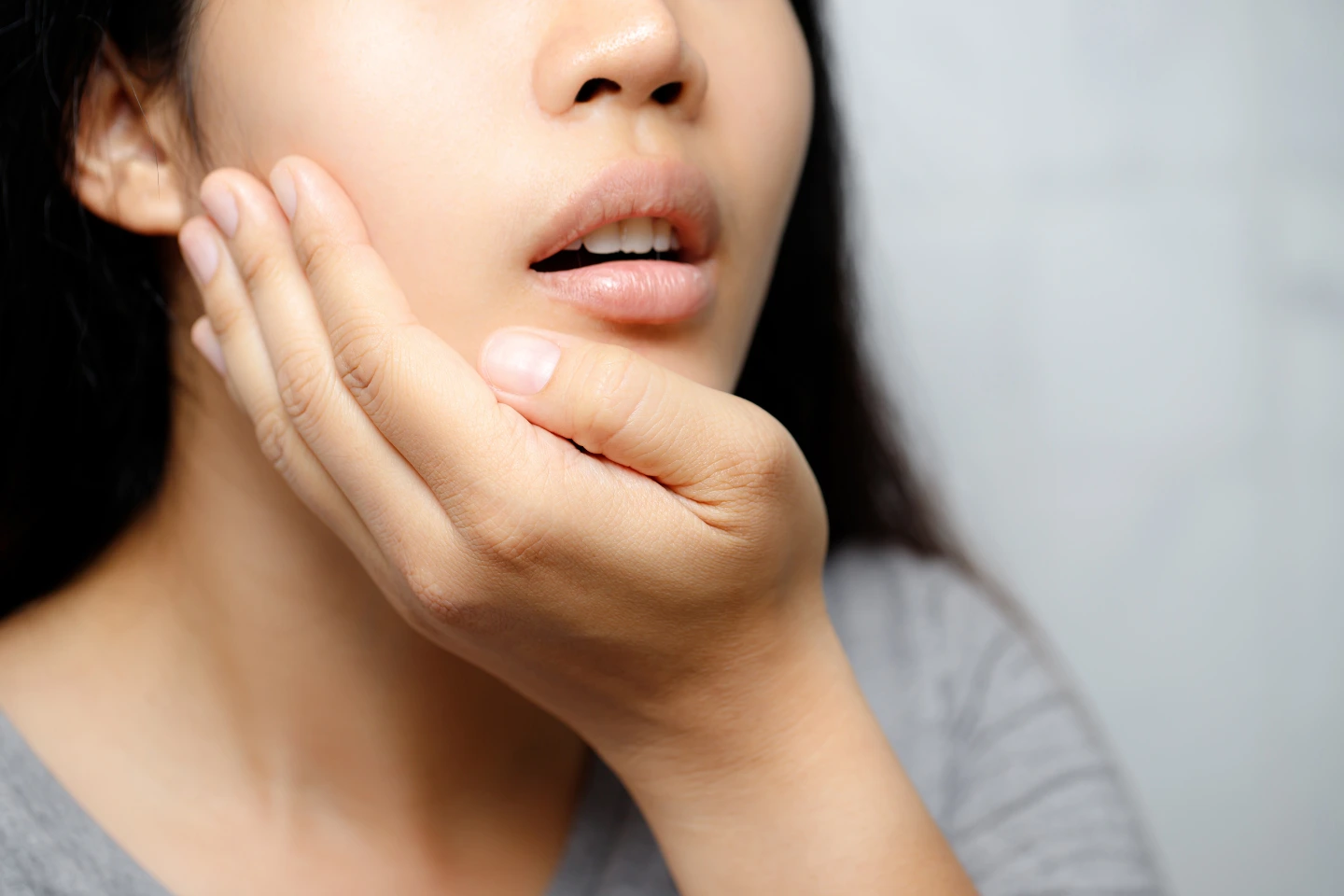
A severe toothache at night can feel impossible to ignore. The pain often seems stronger when everything is quiet, and getting help right away is not always easy.
At that moment, you usually want one thing: fast relief.
While home remedies cannot fix the real cause, they may help you stay more comfortable until you can see a dentist.
Oral health problems are also very common worldwide.
The World Health Organization says oral diseases affect nearly 3.7 billion people, and the CDC reports that nearly 21% of adults aged 20–64 have untreated tooth decay.
So, do you have toothaches at night too and are not sure what to do before seeing an emergency dentist? Read this guide.
Why Toothaches Often Feel Worse at Night
A toothache can feel stronger at night for a few simple reasons. When you lie down, more blood can flow toward your head. That extra pressure can make the pain feel more intense.
You also notice discomfort more at night because everything around you is quieter. There are fewer distractions, so your focus goes straight to the pain.
In some cases, nighttime tooth pain can also point to an underlying problem like tooth decay, infection, gum swelling, or a cracked tooth.
So if your tooth keeps throbbing after dark, it is usually a sign that something needs attention, not just a random pain.
First Things First: Check Whether It’s a Dental Emergency
Before trying any home remedy, take a moment to check your symptoms. Not every toothache is urgent, but some signs mean you should seek help right away.
Severe pain can signal a deeper issue like infection, a cracked tooth, or gum swelling. If it comes with warning signs, don’t wait.
Watch for:
- swelling in your face or gums
- fever
- a bad taste in your mouth
- trouble swallowing or breathing
- sharp, intense, or constant pain
If you notice any of these, treat it as an emergency and see a dentist as soon as possible.
If the pain is mild and not accompanied by swelling or fever, you can focus on short-term relief for the night. But the issue still needs attention.
The key is knowing when to manage the pain and when to act fast.
Top Home Remedies for Severe Toothache at Night
When a tooth starts hurting badly at night, you usually want one thing: fast relief.
The good news is that a few simple steps may help calm the pain until you can see a dentist. The important thing to remember is that these remedies are only temporary support.
They can make you more comfortable, but they will not fix the real cause of the toothache.
Now, let’s break down each remedy
1. Rinse with Warm Salt Water
A warm salt water rinse is one of the easiest ways to calm a painful tooth at night. It helps clean the mouth, wash away small bits of food, and soothe the area around the tooth.
It may also make the irritation feel a little less intense for a while.
To do it, dissolve half a teaspoon of salt in a glass of warm water. Swish it gently around your mouth, especially near the sore tooth, then spit it out. Do not swallow it.
The NHS says you can repeat this as often as needed.
2. Floss Carefully Around the Painful Tooth
Sometimes, a tooth hurts more because food or plaque is stuck between the teeth.
In that case, gentle flossing may help remove the pressure and make the area feel less irritated. Move the floss slowly and carefully.
Do not snap it into the gums or force it into a tight space, because that can make the pain worse. If flossing does not help, or the tooth still feels very painful, swollen, or tender, stop there and arrange dental care.
Floss can help with trapped debris, but it will not fix decay, infection, or a damaged tooth.
3. Take an Over-The-Counter Pain Reliever
If your toothache is keeping you up, an over-the-counter pain reliever may help lower the pain for a few hours.
For short-term dental pain, the American Dental Association says NSAIDs like ibuprofen are often more effective than opioids, and acetaminophen may also help depending on what you can safely take.
Always follow the label, stay within the daily dose, and avoid taking anything that is not right for your age, health condition, or other medicines. This is a temporary pain control step, not a fix for the tooth itself.
In fact, in the U.S., tooth disorders lead to about 1.9 million emergency department visits per year, which shows how often dental pain becomes urgent when treatment is delayed.
4. Use a Cold Compress on the Outside of Your Cheek
Apply a cold compress to the outside of your cheek to ease pain and swelling for a while. The cold can slightly numb the area and may make a throbbing tooth feel less intense.
Place the compress on the outside of your face, near the painful tooth, not directly on the tooth or gums.
Wrap an ice pack or a bag of frozen peas in a clean towel first. Then hold it against your cheek for about 10 to 20 minutes, and remove it before using it again. Do not press too hard. The goal is to cool the area gently, not irritate it.
One important note: do not apply heat to facial swelling. Heat can make swelling worse. And do not place ice directly on your skin, because that can irritate or damage the skin.
5. Keep Your Head Raised
Does the pain get worse the moment you lie down? That can happen. Keeping your head slightly elevated may help reduce the heavy, throbbing feeling at night.
Use an extra pillow and try not to lie fully flat if that position makes the pain sharper. This will not treat the tooth, but it may help you rest a little better.
This positioning advice is commonly recommended in first-aid guidance for nighttime tooth pain.
6. Avoid Anything That Triggers the Pain
When your tooth already hurts, the last thing you want is to make it flare up more.
Try to avoid anything that makes the pain sharper, such as very hot, cold, sweet, or hard foods. These can irritate the tooth and make the discomfort feel stronger.
Stick to soft, mild foods and chew on the other side of your mouth until you get dental care. This simple step can help keep the pain more manageable through the night.
What Not to Do When You Have a Toothache at Night
When tooth pain hits at night, it is easy to try anything for quick relief. But a few common mistakes can make the pain worse.
- Do not put aspirin directly on your tooth or gums. It can irritate or even burn the gum tissue.
- Do not keep eating very hot, very cold, or sugary foods and drinks. These can trigger more pain, especially if your tooth is already sensitive.
- Do not ignore swelling, fever, a bad taste, or trouble swallowing. These can point to an infection that needs urgent dental care.
- Do not take more pain medicine than the label allows. Follow the dose instructions carefully, even if the pain feels severe.
Home remedies can help you stay comfortable for a few hours, but they do not fix the real problem.
If the pain is intense, keeps coming back, or comes with swelling, you should see an emergency dentist as soon as possible.
Common Causes of Nighttime Tooth Pain
The most common causes include tooth decay, infection, cracked teeth, gum disease, grinding, and tooth sensitivity. Let’s breakdown:
1. Tooth decay or cavities
A cavity can start small and feel easy to ignore. But when decay gets deeper, it can reach the inner part of the tooth and irritate the nerve. That is when you may notice sharp, throbbing, or lingering pain, especially at night.
2. Gum infection or gum disease
If your gums are infected or inflamed, the tissue around the tooth can become sore, swollen, and tender. You may feel a dull ache, pressure, or pain when biting down. In some cases, gum problems can also affect the deeper support around the tooth.
3. Tooth abscess
A dental abscess is a serious infection with a build-up of pus in the tooth or gums. This often causes severe, throbbing pain that may spread to your jaw, ear, or face. If you also have swelling, a bad taste, or fever, you need urgent dental care.
4. Cracked or damaged tooth
A crack, chip, or damaged filling can expose the sensitive inner layers of the tooth. This can cause pain when you chew or when the tooth touches something hot, cold, or sweet. Sometimes the pain comes and goes, which makes it harder to spot the real issue.
5. Teeth grinding at night
Grinding or clenching while you sleep puts pressure on your teeth and jaw. This can lead to soreness, tooth pain, jaw tightness, or headaches by morning. If your pain feels worse after sleeping, this may be part of the problem.
6. Worn enamel or tooth sensitivity
Do cold drinks or sweet foods trigger pain fast? That may point to sensitive teeth. When enamel wears down, the tooth loses some protection, so outside triggers reach the sensitive layer more easily.
When to See an Emergency Dentist
Some toothaches can wait a few hours, but others need immediate care. See an emergency dentist if the pain is severe, getting worse, or not relieved by home remedies.
Watch for warning signs like swelling, fever, a bad taste, or difficulty eating, swallowing, or sleeping.
Injuries, broken teeth, or sudden sharp pain also require quick attention. Home remedies may offer temporary relief, but they don’t treat the root cause.
So if it feels serious, get it checked as soon as possible.
How to Prevent Future Nighttime Toothaches
The best way to avoid a toothache at night is to stay ahead of the problem during the day. Brush twice a day with fluoride toothpaste, floss once daily, and do not ignore early signs like sensitivity or mild pain.
These small habits help stop decay, gum issues, and infection before they turn into severe pain.
You should also cut back on sugary foods and drinks, especially before bed, because they can feed bacteria that damage your teeth. Keep up with regular dental checkups too.
A dentist can catch small issues early, before they become a painful late-night emergency.
Relief Tonight, But Don’t Delay Treatment Tomorrow
A severe toothache at night can feel super irritating, but a few simple steps may help you stay comfortable until you get professional care. Try safe home remedies for temporary relief, but do not ignore pain that keeps getting worse.
If you notice swelling, fever, or sharp throbbing that will not stop, you should contact an emergency dentist as soon as possible.
The sooner you get the real cause checked, the sooner you can protect your tooth and feel better.
"
Comprehensive Dentistry in Mokena
At Dental DeZigns, we deliver exceptional care—from preventive visits to smile makeovers—all under one roof. With in-office treatments such as cleanings, extractions, and implants, we reduce referrals and save you time. Discover the value of complete dental care and start your journey to a confident smile.
Proud Partners in Trusted Dental Care
Affiliations with renowned dental organizations showcase our passion for excellence and ongoing learning. They enable us to bring advanced techniques, knowledge and the very best standards of care to our patients.
Our Locations
Mokena & Shorewood
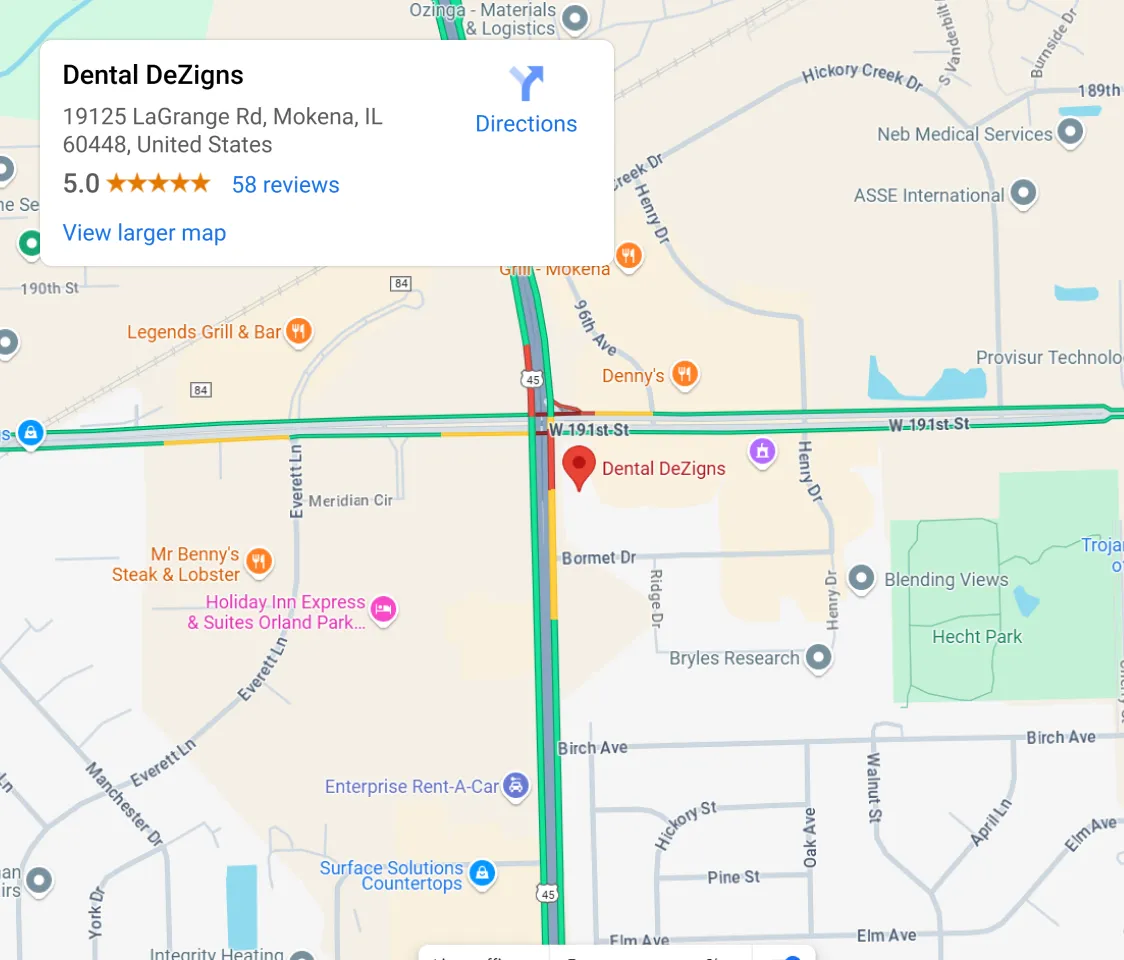
Mokena, IL
19125 La Grange Rd, Mokena, IL 60448
Call: (708) 479-2273
Hours:
Mon & Wed: 8 a.m. – 5 p.m.
Tue & Thu: 11 a.m. – 7 p.m.
Fri–Sun: Closed
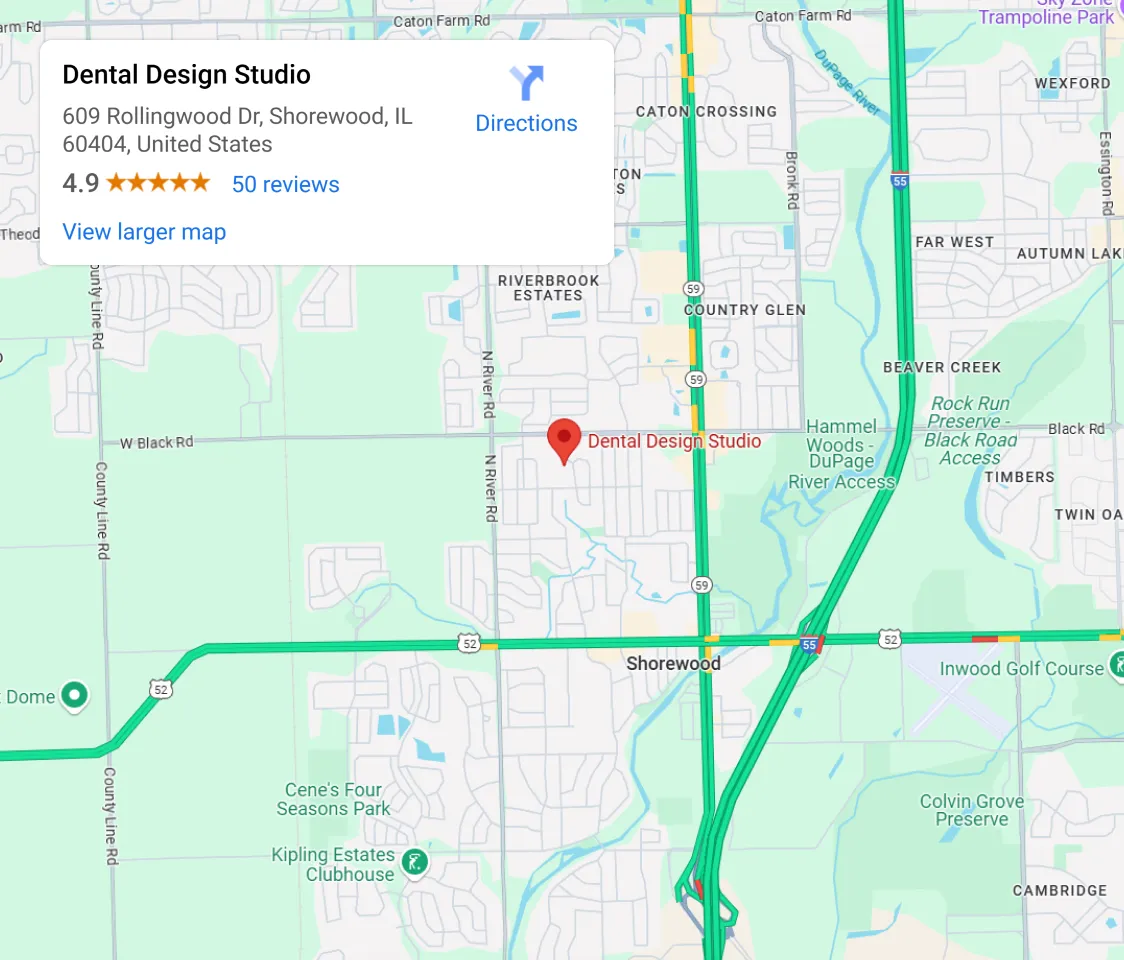
Shorewood, IL
609 Rollingwood Dr, Shorewood, IL 60404
Call: (815) 725-8170
Hours:
Mon & Wed: 12 p.m. – 7 p.m.
Tue & Thu: 8:30 a.m. – 3 p.m.
Fri–Sun: Closed

At Dental DeZigns, we deliver a dental experience that’s comfortable, consistent, and focused entirely on you. Your smile is our priority—every visit, every time.


© 2025 Dental DeZigns | All Rights Reserved | Privacy Policy | Digital Marketing by Remedo